
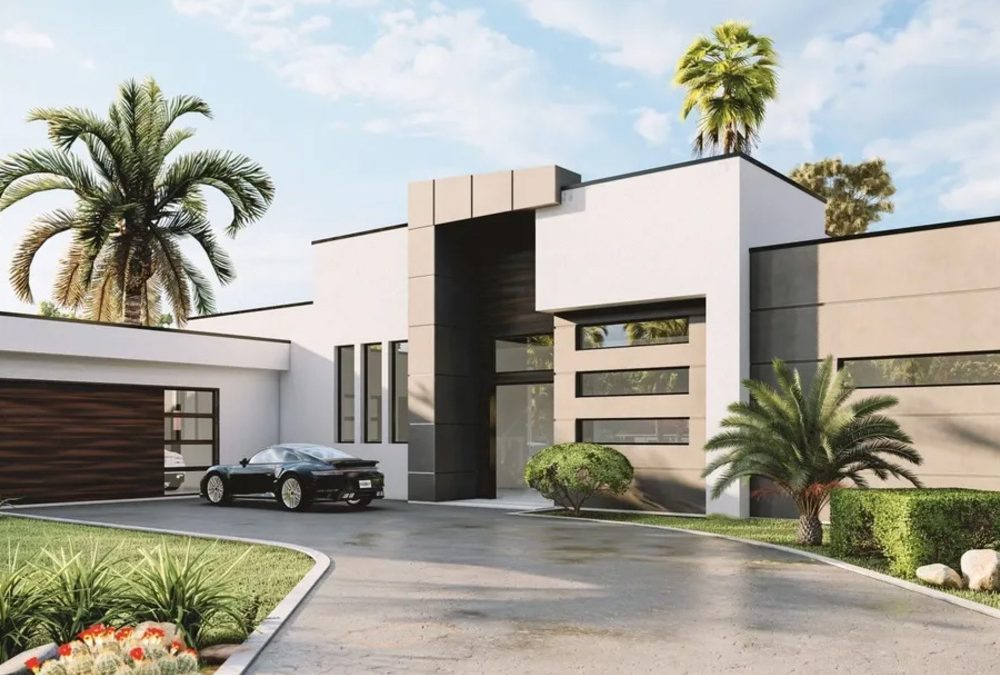
Custom home design is the art of crafting a house tailored specifically to an individual’s lifestyle, taste, and practical needs. Unlike pre-designed houses or mass-produced floor plans, custom designs reflect the unique preferences and vision of the homeowner, creating a space that is truly one-of-a-kind. Whether it’s maximizing natural light, ensuring energy efficiency, or incorporating personalized aesthetics, custom homes allow complete control over every aspect of design, down to the smallest details.
For many, designing a custom home represents the pinnacle of personal expression in architecture. It allows homeowners to create a living space that not only reflects their style but also meets the practical demands of their daily lives.
The Process of Custom Home Design
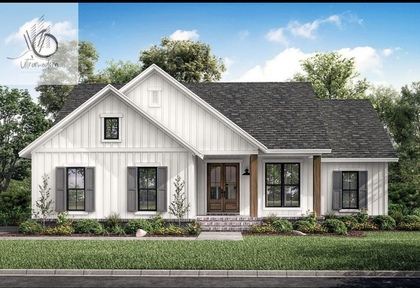
Building a custom home is a collaborative journey that starts with an idea and ends with a dream home. Here’s an overview of the process:
– Initial Consultation: The journey begins with a consultation between the homeowner and the design team. This stage involves discussing the homeowner’s vision, lifestyle needs, budget, and any specific requirements they might have. Whether the family needs more bedrooms, desires a luxurious kitchen, or wants to integrate sustainable building practices, this is the time to outline all expectations.
– Conceptualization: After the initial consultation, architects and designers begin crafting the first drafts of the layout. This includes room placement, overall structure, and integrating the preferred style (modern, traditional, eco-friendly, etc.). During this phase, homeowners can visualize the flow of the home and adjust the layout as necessary. This step is critical to ensuring that the layout not only looks great on paper but also functions smoothly in real life.
– Design Development: In this phase, the blueprints evolve to include architectural details, interior finishes, and exterior aesthetics. The design team works on finalizing the home’s look, from the shape of the roof down to the flooring materials. Technology like 3D renderings can often be used here to provide a realistic view of how the home will appear upon completion.
– Permitting and Approval: Before construction begins, all necessary permits must be secured, and the design must comply with local building codes and zoning laws. This can sometimes involve working with local authorities or homeowners’ associations to ensure the home meets all legal standards.
– Construction: The final stage is bringing the vision to life. During construction, the design team continues to monitor progress, ensuring that the house is built according to the plan. Homeowners may also visit the site regularly to review progress, make decisions on finishes, and address any unexpected challenges.
Key Elements of Home Layout
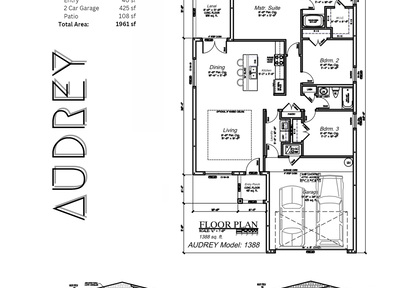
The layout of a custom home determines how its spaces interact and function together. A well-thought-out layout ensures that daily living is seamless and enjoyable. Here are three essential layout principles to consider:
– Room Flow and Space Efficiency: The layout should ensure smooth movement between rooms while maximizing space. Open-concept designs, for instance, create a sense of spaciousness, allowing areas like the kitchen, dining, and living room to flow naturally into one another.
– Balancing Open vs. Private Spaces: It’s important to strike a balance between communal and private areas. Bedrooms and home offices may need privacy, while living rooms and kitchens can be more open and accessible.
– Outdoor Integration: Many custom homes integrate outdoor spaces like patios, gardens, or pools into the design. These areas expand the living space and offer a seamless transition from indoors to outdoors.
Popular Custom Home Layout Styles
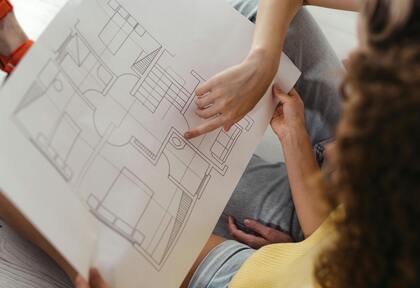
Custom home layouts vary greatly depending on individual tastes and functional needs, but certain styles have proven to be popular:
– Modern Open-Concept Homes: These homes focus on large, continuous spaces with minimal walls. The kitchen, dining, and living rooms typically share one expansive area, perfect for families who love to entertain.
– Multi-Generational Layouts: For families living with elderly parents or adult children, these homes are designed with additional suites or separate living quarters that provide independence while maintaining proximity.
– Eco-Friendly Designs: Energy efficiency and sustainability are increasingly prioritized in custom homes. Features like solar panels, energy-efficient appliances, and smart home technologies are seamlessly incorporated into the design.
Custom home design provides the ultimate flexibility in crafting a space that is both functional and uniquely yours. By considering every detail from layout to materials, homeowners can create a living environment that perfectly suits their lifestyle. Ready to begin the journey? Explore home designs and consult a professional to bring your dream home to life.
Contact us today for a free estimate and start your journey to owning a modern, sustainable, and beautiful custom home.
*AREAS WE SERVE:
- Florida
- Georgia
- Tennessee
- North Carolina
- South Carolina
Contact: