
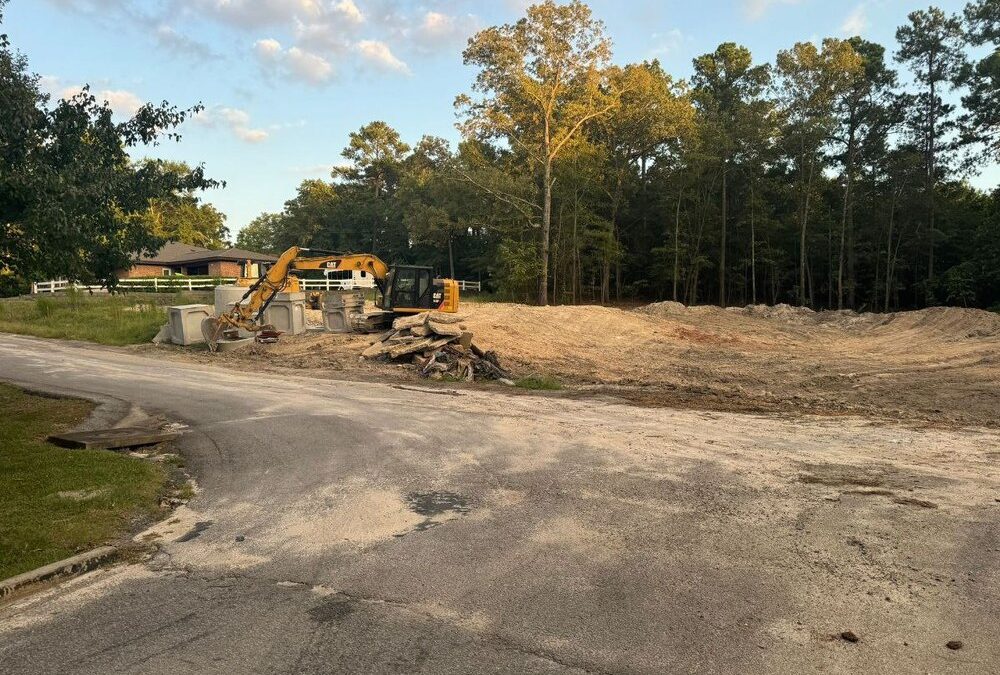
Land development is a complex yet exciting process, offering endless possibilities for creating residential, commercial, or industrial spaces. However, it’s crucial to understand that successful land development requires thorough planning and a clear strategy before breaking ground. A lack of preparation can lead to costly mistakes and delays. This guide will walk you through the essential elements of land development to ensure your project starts off on the right foot.
1. Understanding Land Development Basics
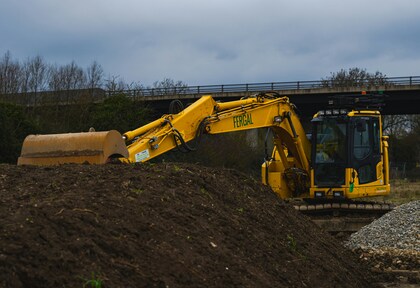
Land development involves transforming raw land into a space that can support buildings or other types of structures. This transformation often includes tasks like clearing the land, setting up infrastructure (roads, utilities), and adhering to local building codes.
Projects can range from small residential properties to large-scale commercial developments. Regardless of the size, the process generally follows a similar sequence: land acquisition, planning and designing, obtaining permits, and construction. Properly understanding these stages will help you navigate the complexities of land development.
2. Key Factors to Consider Before Building
Before you start developing a piece of land, there are several critical factors to consider. These considerations will help you avoid pitfalls and ensure your project’s success:
- Zoning and Permits: Zoning laws dictate what type of development can occur on a specific plot. For example, some areas may be restricted to residential buildings, while others allow for commercial or mixed-use developments. It’s essential to verify zoning regulations and obtain the necessary permits to avoid legal issues that could halt your project.
- Land Survey: Hiring a professional surveyor to assess the land is a crucial step. A detailed survey will provide accurate information about the land’s boundaries, topography, and existing conditions, helping you make informed decisions.
- Utilities and Infrastructure: Access to utilities like electricity, water, gas, and sewage systems is vital for any development. If these utilities aren’t readily available, you may face additional expenses for installation, significantly impacting your budget.
- Environmental Impact: Consider the environmental factors that could influence your project. Soil quality, drainage, and local wildlife can all affect your building plans. Some areas may also have environmental restrictions to protect habitats or prevent erosion, which could limit what you can do with the land.
3. Planning Your Budget

Budgeting is one of the most critical aspects of land development. Without a clear financial plan, costs can spiral out of control, leading to unfinished projects or unexpected debt.
- Cost Estimation: Start by estimating costs for land acquisition, permits, design, construction, and any additional fees. Include expenses for soil testing, environmental assessments, and land surveys. Don’t forget to account for landscaping, driveways, and sidewalks if needed.
- Contingency Fund: Make sure to set aside a contingency fund in your budget. Unexpected issues such as soil problems, unplanned utility installations, or material price increases can arise, and having a financial buffer ensures that these don’t derail your project.
- Financing Options: Explore different financing options like construction loans, personal loans, or partnerships with investors. A clear understanding of your financial situation will allow you to make informed decisions without overshooting your budget.
4. Working with Professionals
Partnering with experienced professionals can be a game-changer for your land development project. Consultants like architects, engineers, contractors, and real estate agents bring invaluable expertise to the table.
- Architects and Engineers: These experts will help you design a functional and attractive space while adhering to local regulations. They can also anticipate potential challenges related to the land’s geography or structural integrity.
- Contractors: A qualified contractor will ensure the construction process runs smoothly, adhering to your timeline and budget. Always vet contractors carefully and seek recommendations to avoid hiring someone who might cut corners.
- Real Estate Agents: If you’re unsure about zoning laws, land values, or the local market, a knowledgeable real estate agent can provide guidance, helping you find the right plot for your development.
Land development is a rewarding journey, but it’s not without its challenges. Thorough planning, budgeting, and consulting with professionals can make a significant difference in the outcome of your project. By understanding zoning laws, evaluating the land, and managing your finances carefully, you’ll be better prepared to handle any obstacles that come your way. Remember, the more effort you put into planning, the smoother your building process will be. Take your time, research every aspect, and lean on experts to guide you.
Our Custom Build offers everything you need for your large-scale land development projects, all in one place. Let’s get creative with it! We’re even doing barndominium neighborhoods!
Subdivisions & Neighborhoods
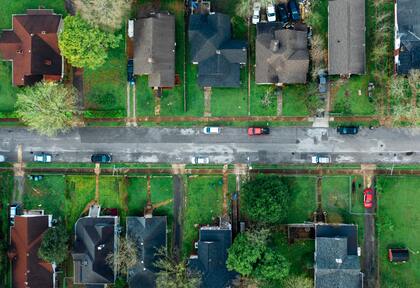
Our Custom Build has a proven track record of developing entire neighborhoods for land developers. If you’re searching for a reliable partner for your next subdivision, fill out the form to get started, and we’ll contact you as soon as possible.
Commercial Land Development
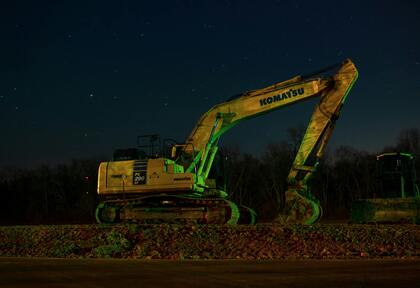
Our Custom Build team is equipped to manage your major commercial development projects! Complete the form today, and we’ll connect with you to discuss how we can support your vision.
*AREAS WE SERVE:
- Florida
- Georgia
- Tennessee
- North Carolina
- South Carolina
- Call us: (407)-777-2350 / https://ultramoderngroup.com